Donate to the Cause
Thank you so much for your interest in donating to our advocacy! Your donation will be used for food heritage research, field work expenses, website hosting and maintenance, and the like so that I can continue sharing our different local food cultures and ingredients.


Donate to the Cause
Thank you so much for your interest in donating to our advocacy! Your donation will be used for food heritage research, field work expenses, website hosting and maintenance, and the like so that I can continue sharing our different local food cultures and ingredients.
Sawa
𝘕𝘦𝘭𝘶𝘮𝘣𝘰 𝘯𝘶𝘤𝘪𝘧𝘦𝘳𝘢
Introduced
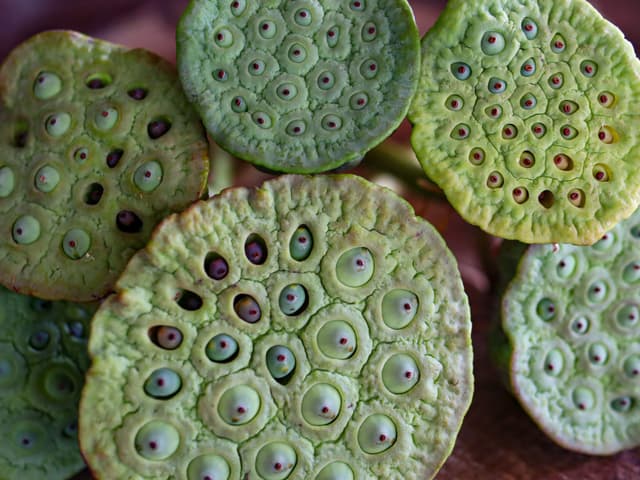
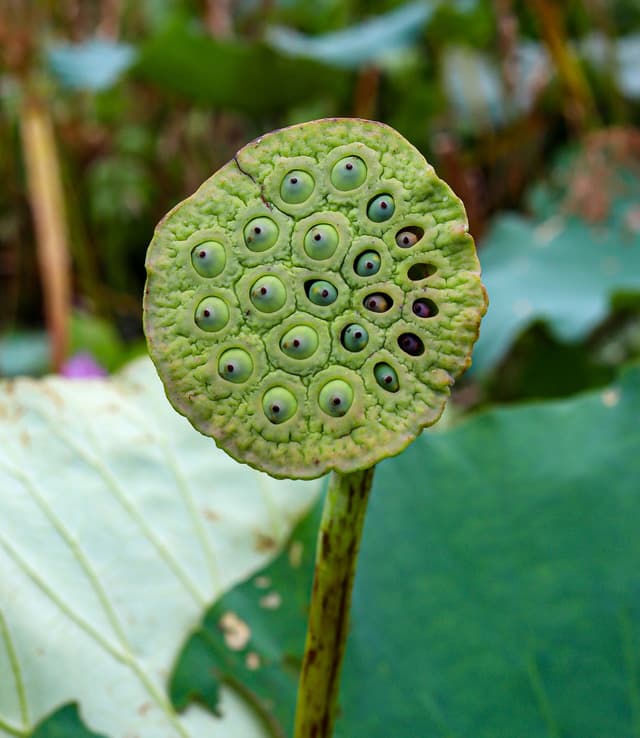
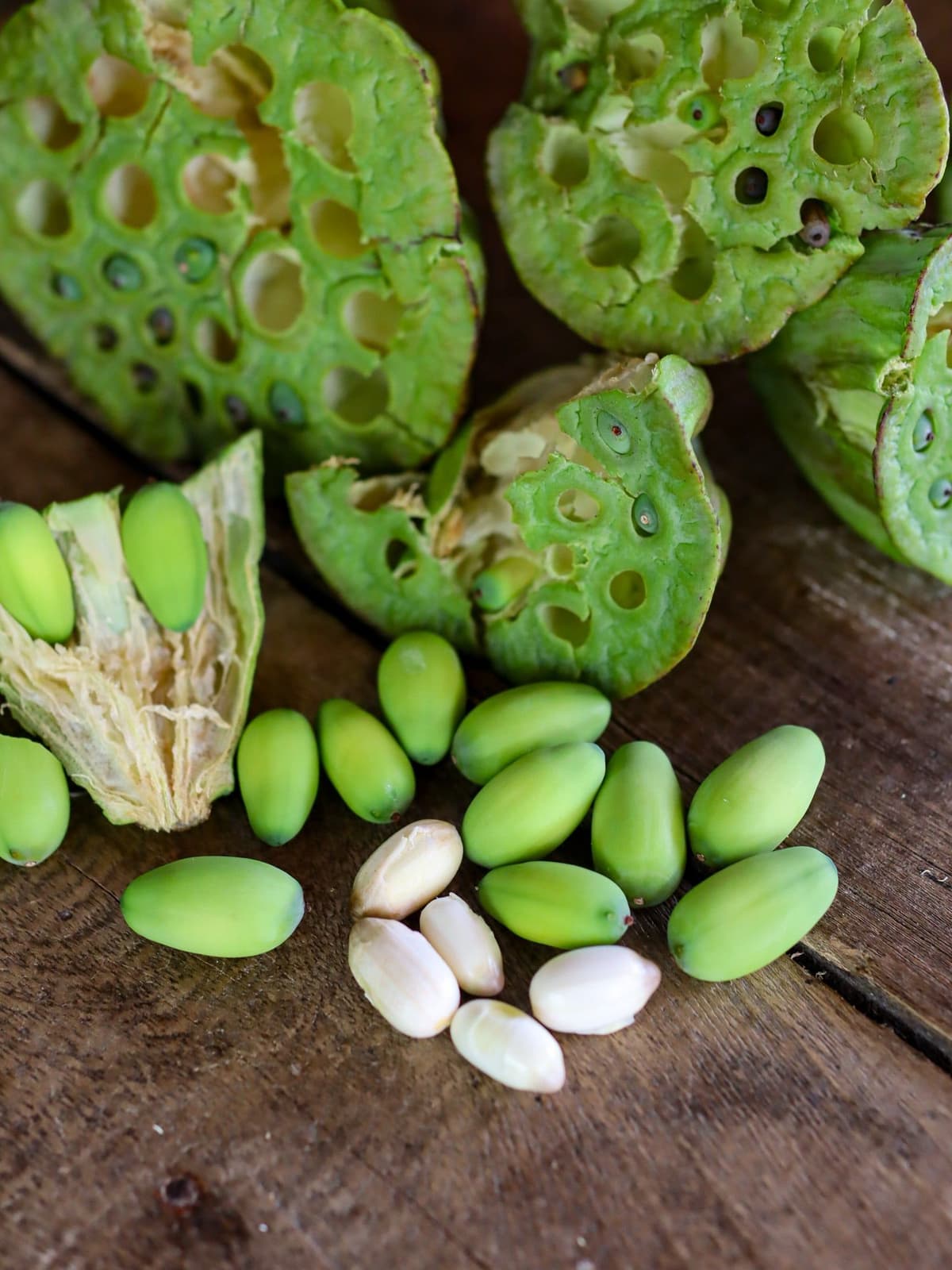
Warning: might trigger trypophobia.
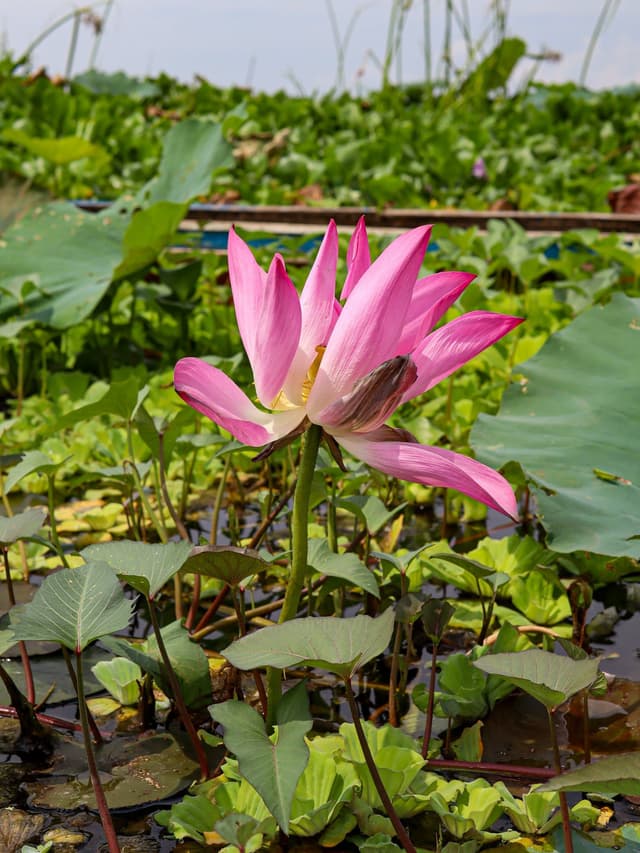
The word Maguindanaoan means "people of the flooded plains," reflecting the abundance of marshes, lakes, and other freshwater systems where many locals have settled. These areas are also home to a species of perennial aquatic plant locally known as sawa (𝘕𝘦𝘭𝘶𝘮𝘣𝘰 𝘯𝘶𝘤𝘪𝘧𝘦𝘳𝘢), a lotus that thrives in these wet environments. According to Co’s Digital Flora of the Philippines, it is a naturalized species, possibly introduced in prehistoric times, and is widely distributed throughout the archipelago.
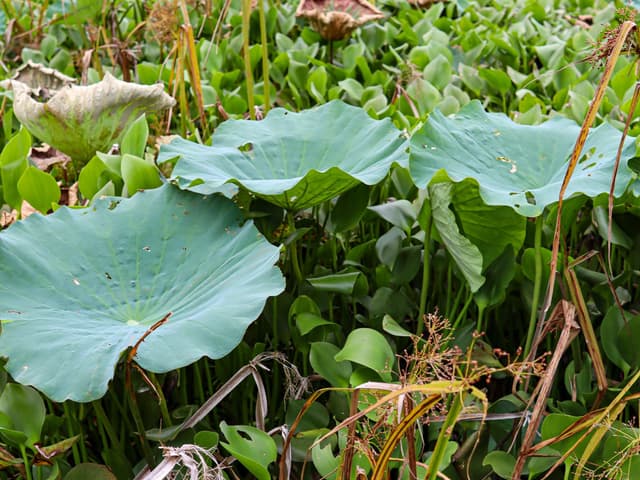
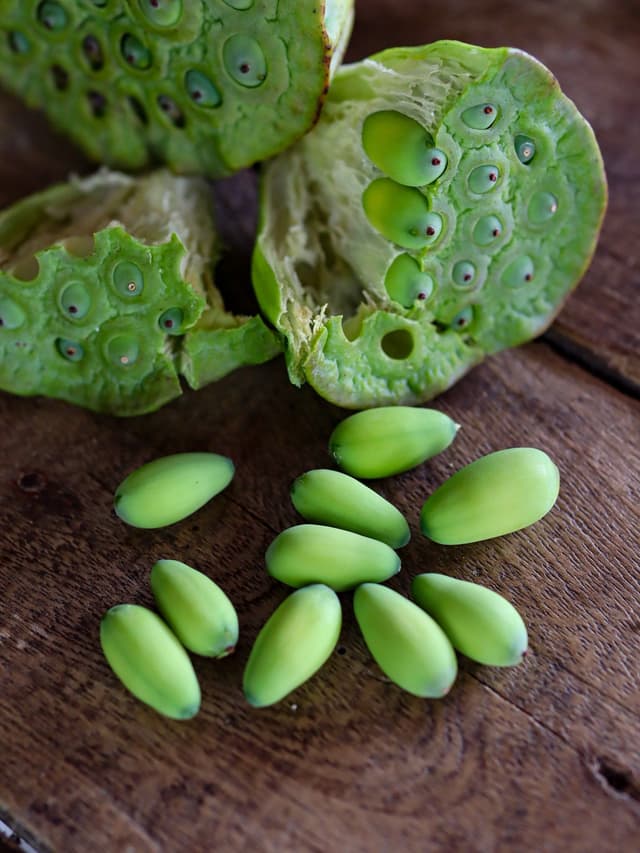
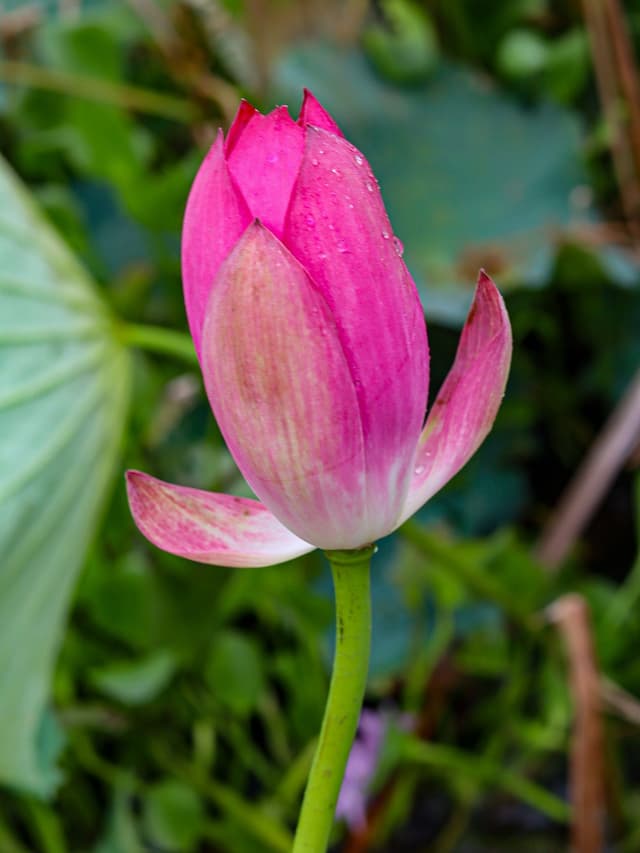
Sawa is characterized by its sturdy stems, large circular leaves, and showy flowers that rise above the water. Once fertilized, the flowers bear fruit that contains clusters of edible seeds. Young seeds, which have a sweet, nutty taste, are eaten raw as a snack. As the seeds mature, their exterior hardens, and they develop a bitter taste due to the embryo inside.
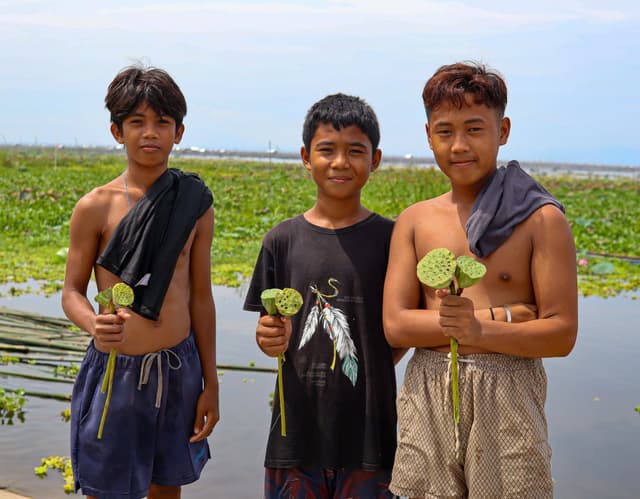
The people of Maguindanao harvest the pods from the inland bodies of water in the region, such as Liguasan Marsh, the largest swamp and marshland in south-central Mindanao, and Buluan Lake, the third-largest lake on the island. Sawa is gathered for personal consumption and is occasionally sold in public markets and along roadsides in the region. Locals from Sultan Kudarat and Cotabato also traditionally consume the lotus seeds.