Donate to the Cause
Thank you so much for your interest in donating to our advocacy! Your donation will be used for food heritage research, field work expenses, website hosting and maintenance, and the like so that I can continue sharing our different local food cultures and ingredients.


Donate to the Cause
Thank you so much for your interest in donating to our advocacy! Your donation will be used for food heritage research, field work expenses, website hosting and maintenance, and the like so that I can continue sharing our different local food cultures and ingredients.
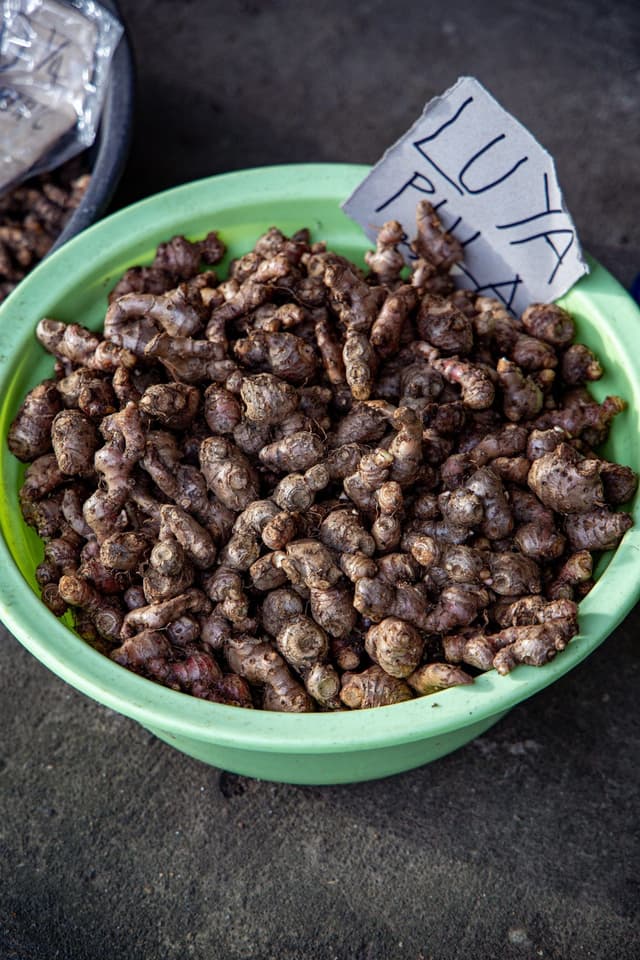
Luyang Pula
𝘡𝘪𝘯𝘨𝘦𝘳 𝘰𝘧𝘧𝘪𝘤𝘪𝘯𝘢𝘭𝘦 var. 𝘳𝘶𝘣𝘳𝘶𝘮
Introduced
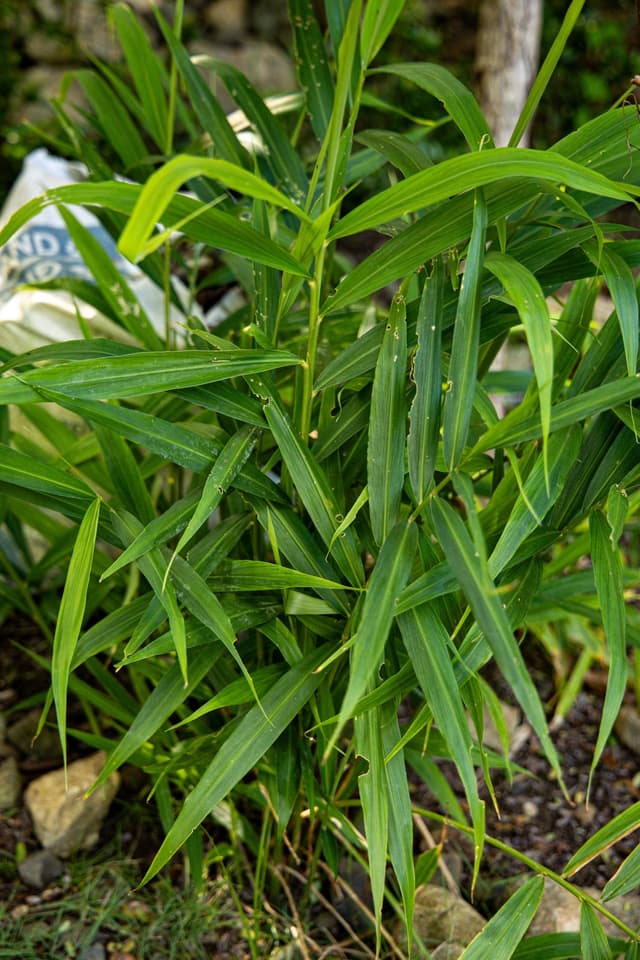
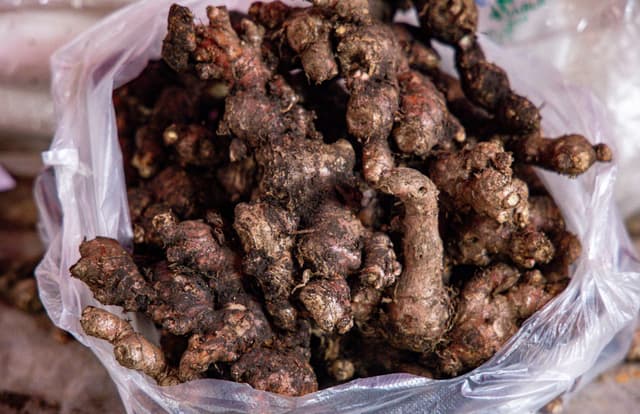
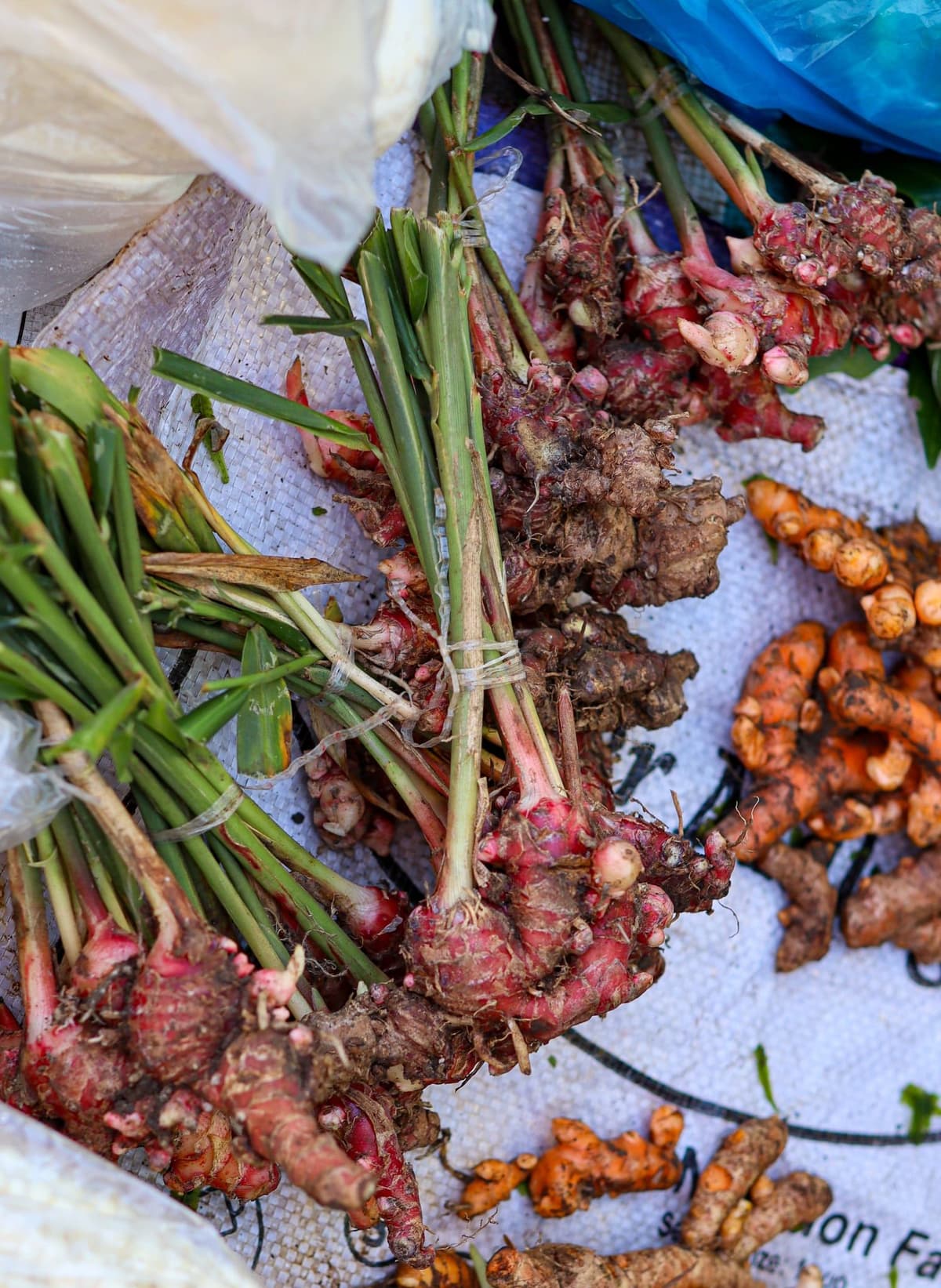
Lay’ang pula (𝘡𝘪𝘯𝘨𝘪𝘣𝘦𝘳 𝘰𝘧𝘧𝘪𝘤𝘪𝘯𝘢𝘭𝘦 var. 𝘳𝘶𝘣𝘳𝘶𝘮) is an annual plant that grows 50–100 cm tall. It morphologically resembles common ginger (luya). It is characterized by its lanceolate leaves and yellowish-red flowers. The plant produces a reddish-brown rhizome that is smaller, more pungent, and spicier than common ginger. It is traditionally used in Indonesia and Malaysia and is also cultivated in different parts of the Philippines, though less commonly. Among local names are laiye peyat (Yakan), luuya pula (Tausug), luy-a nga tapol (Hiligaynon), and lay-ang pula or layanggayong pula (Bikol).
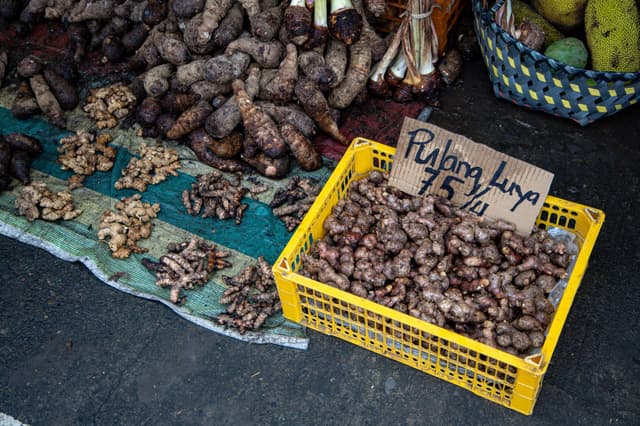
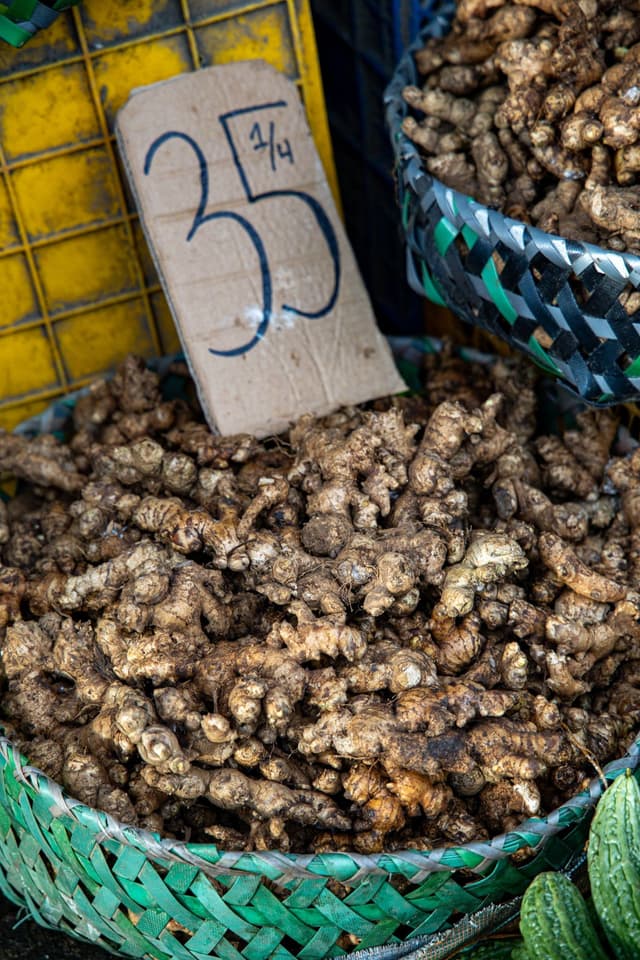
Like common ginger, lay’ang pula is used in a wide variety of dishes. In the Bicol Region, for instance, it is added to coconut milk–based dishes and atsara, and is also popularly brewed into the herbal tea salabat. Lay’ang pula commands a higher price in Bicol public markets, ranging from ₱300 to ₱400 per kilo, compared to common white ginger, which can be bought for as low as ₱140 per kilo.
Note: Lay’ang pula is a different species from langkawas