

Donate to the Cause
Thank you so much for your interest in donating to our advocacy! Your donation will be used for food heritage research, field work expenses, website hosting and maintenance, and the like so that I can continue sharing our different local food cultures and ingredients.


Donate to the Cause
Thank you so much for your interest in donating to our advocacy! Your donation will be used for food heritage research, field work expenses, website hosting and maintenance, and the like so that I can continue sharing our different local food cultures and ingredients.
Our Archives
Articles
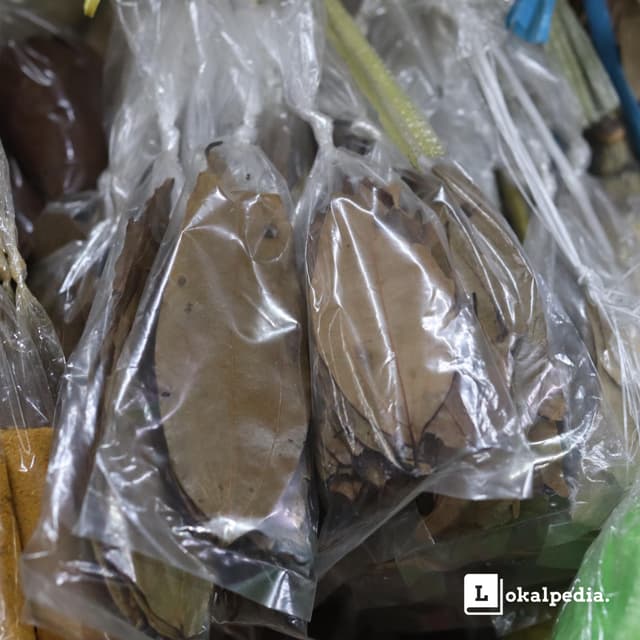
Native Cinnamon Leaves Sold as “Laurel” in the Philippines
Dec 14, 2024
While native cinnamon bark is used in Philippine cuisine, its leaves are more widely utilized, particularly in the Visayas and Mindanao—albeit unknowingly by many.—albeit unknowingly by many.
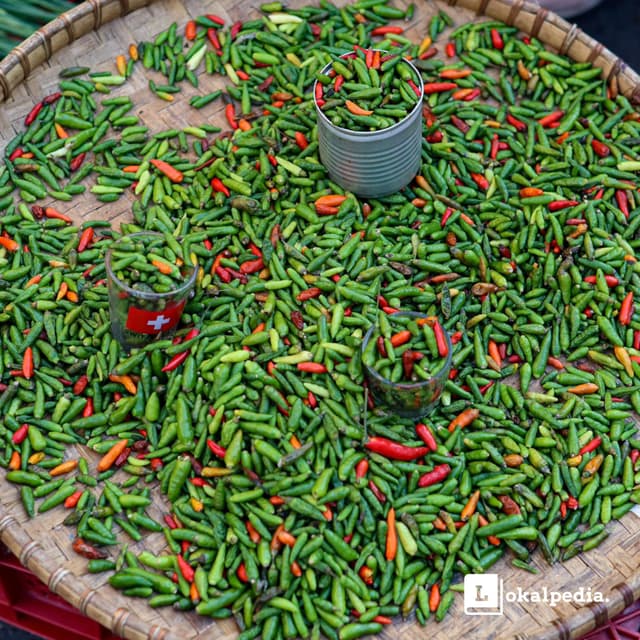
Guide to Philippine Chilies
Dec 5, 2024
First things first: not a single Capsicum or chili pepper is native to the Philippines.
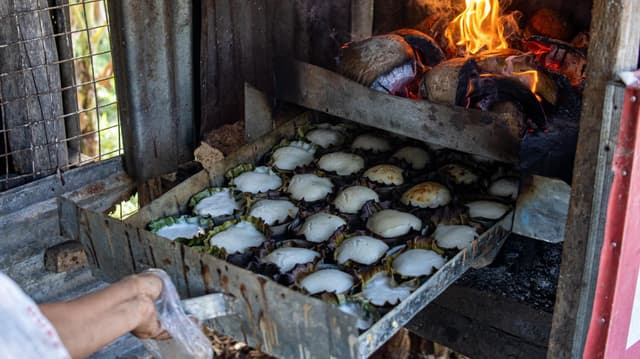
Filipinos are capable of doing incredible things.
Nov 15, 2024
After years of documenting our local foodways for Lokalpedia, one of my many realizations is just how ingenious Filipinos truly are.
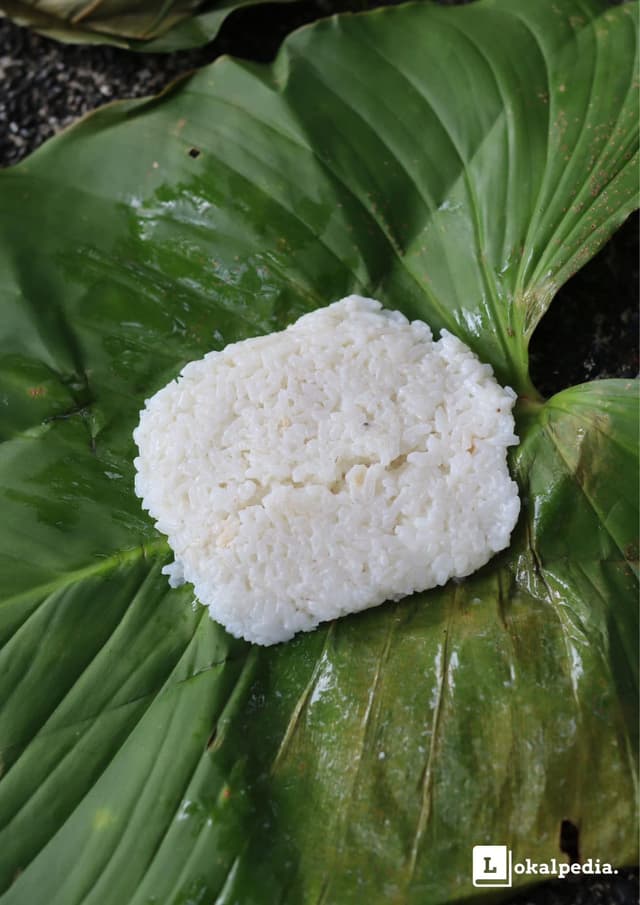
Fermented Delicacies
Nov 10, 2024
In the Philippines, various ethnolinguistic groups have a fermented delicacy made from rice or other starchy ingredients, which has a sweet-sour, almost liquor-like taste.